
Summer heat stays outside
Sun on solid walls and roofs heats the house all day. Insulation keeps that heat out, so the air conditioning has to work less.
We insulate existing houses in Mallorca from the outside with the SATE system, and add insulation wherever ceilings are renewed. Cooler in summer, warmer in winter, and a better energy label when you sell or rent.
Sun on solid walls and roofs heats the house all day. Insulation keeps that heat out, so the air conditioning has to work less.
Stone and block houses feel cold and damp in winter. Insulated walls and ceilings keep the heat in the room you are heating.
Buyers and tenants look at the energy certificate. Better insulation is the most direct way to improve it, and with it the value of the house.
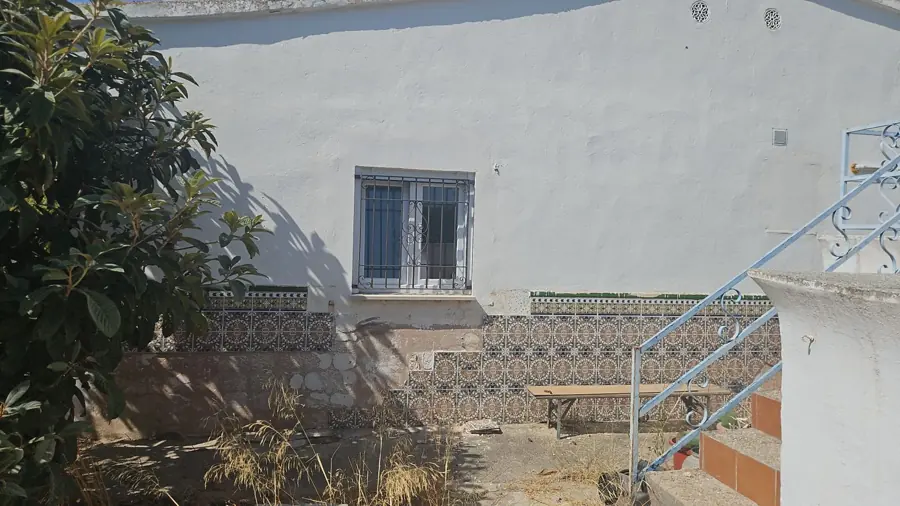
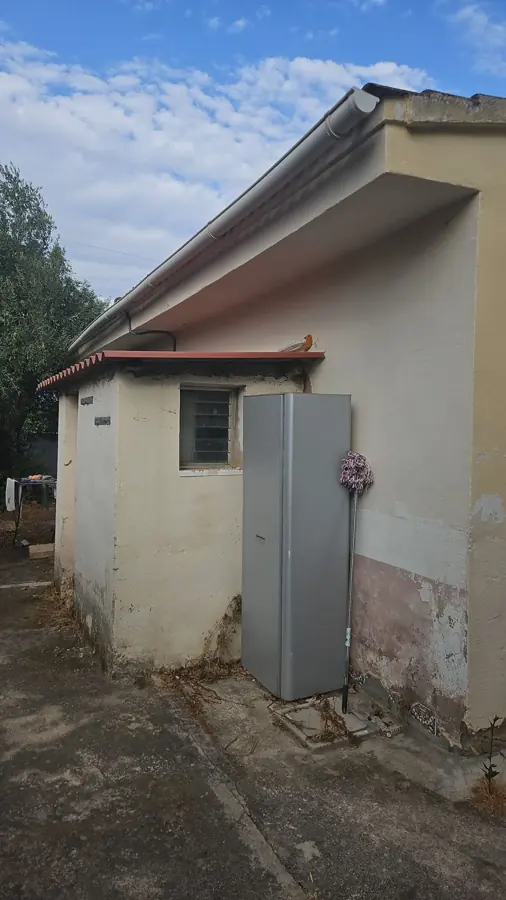
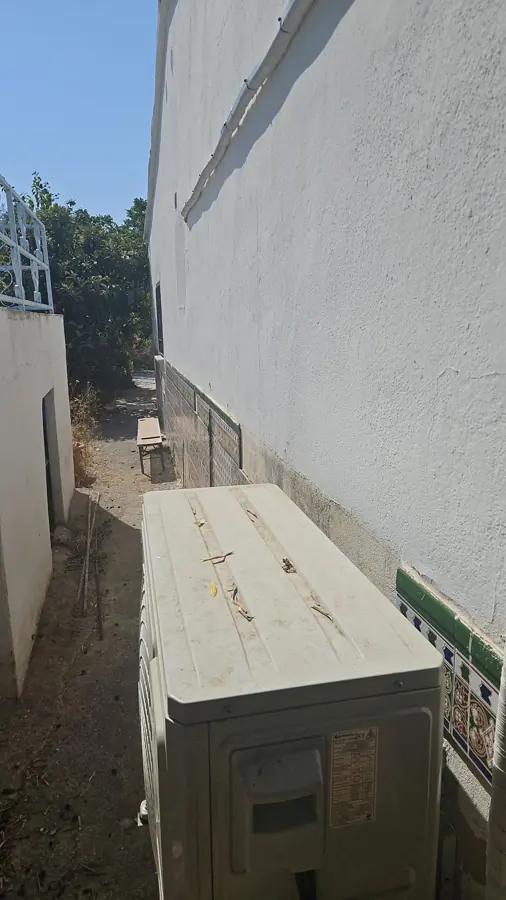
A detached single-storey house in Marratxí with uninsulated walls, a damp tiled plinth and old ceilings. We tackled it in two parts: the outside walls with the SATE system, and the ceilings inside with mineral wool behind a new plasterboard ceiling.
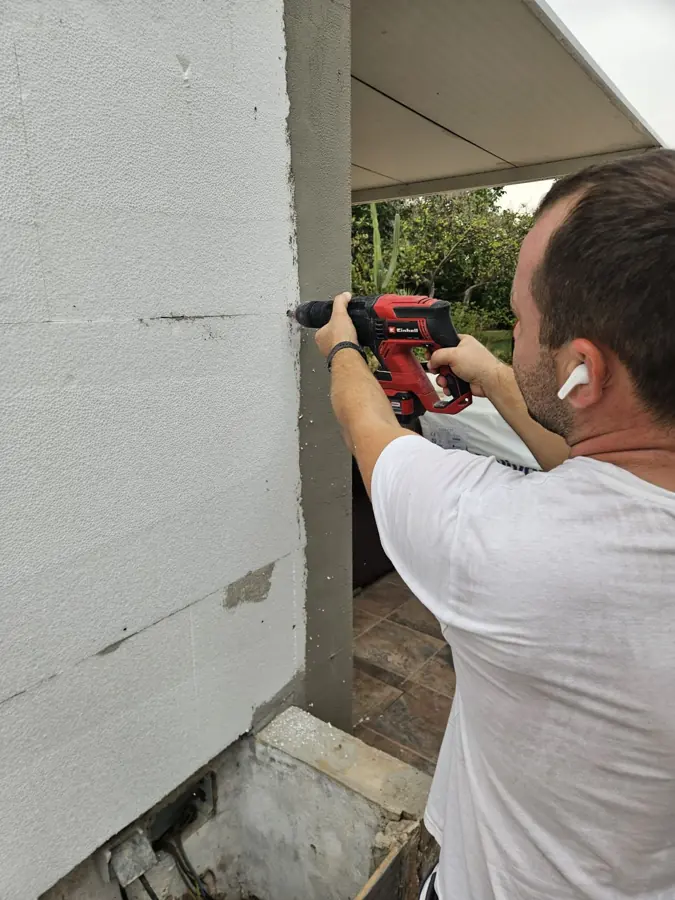
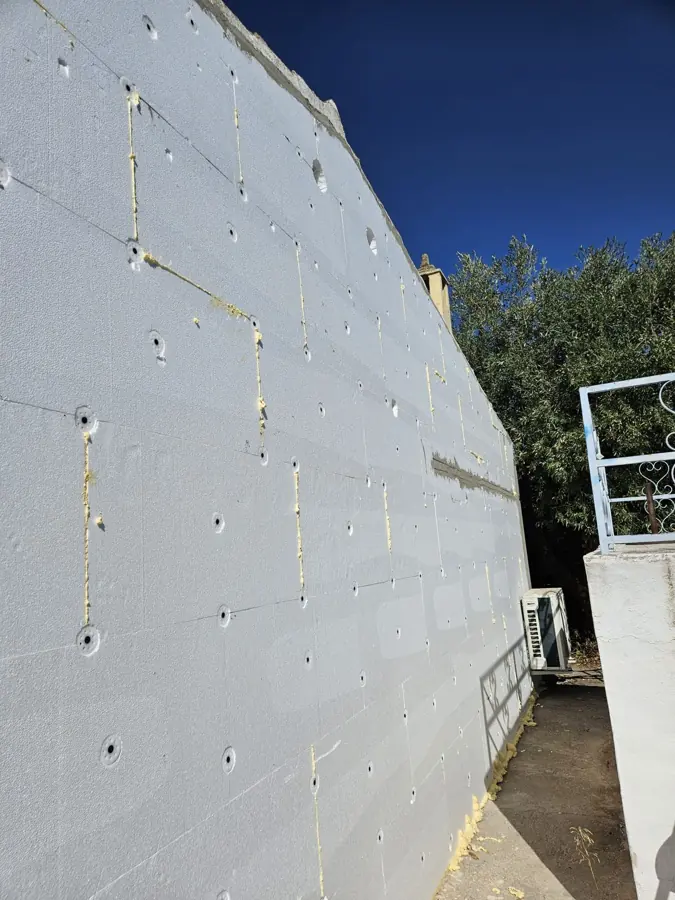
Loose render and the old tiled plinth were removed where needed and the wall was prepared. EPS insulation panels were then bonded to the wall and fixed with insulation dowels, with staggered joints and insulated window reveals. The next layers are a reinforced base coat with fibreglass mesh and the final render.
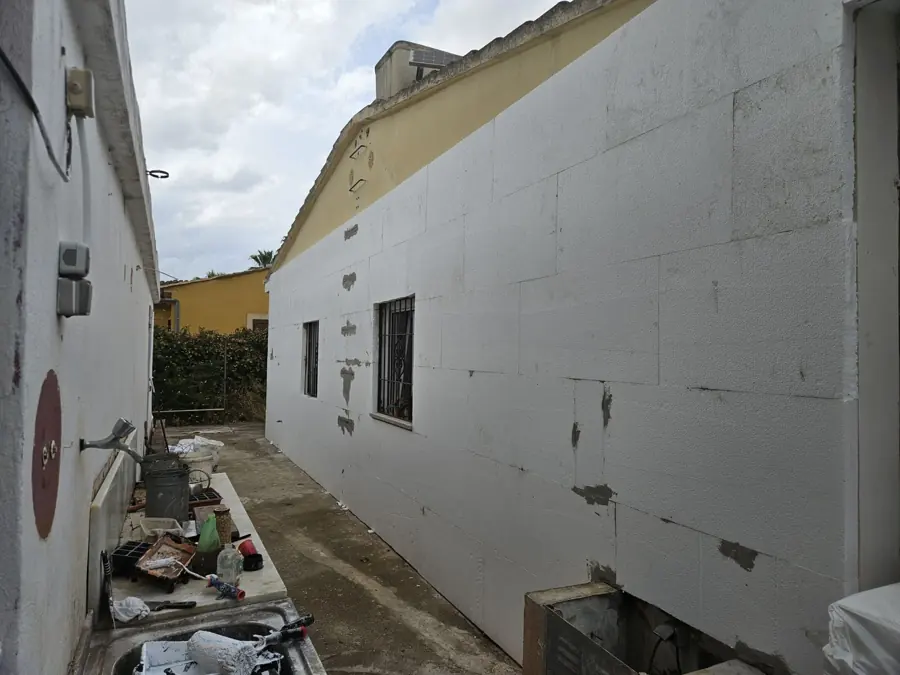
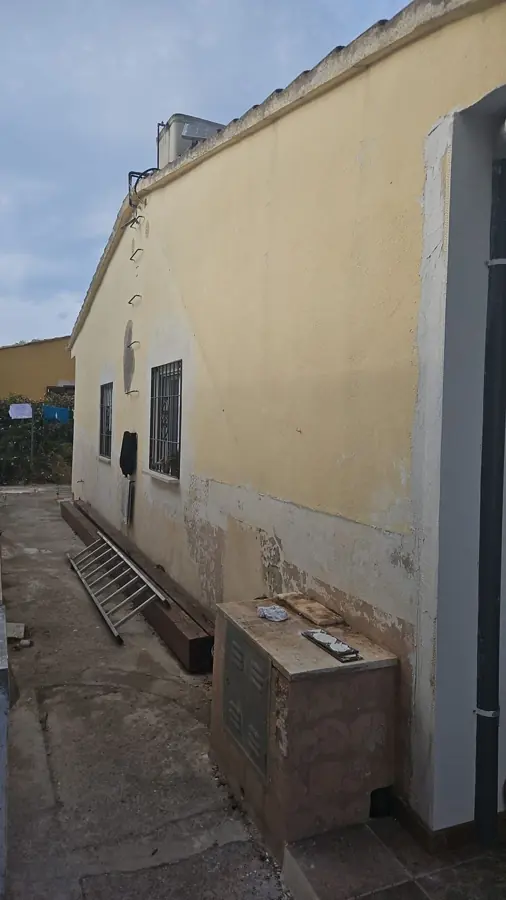
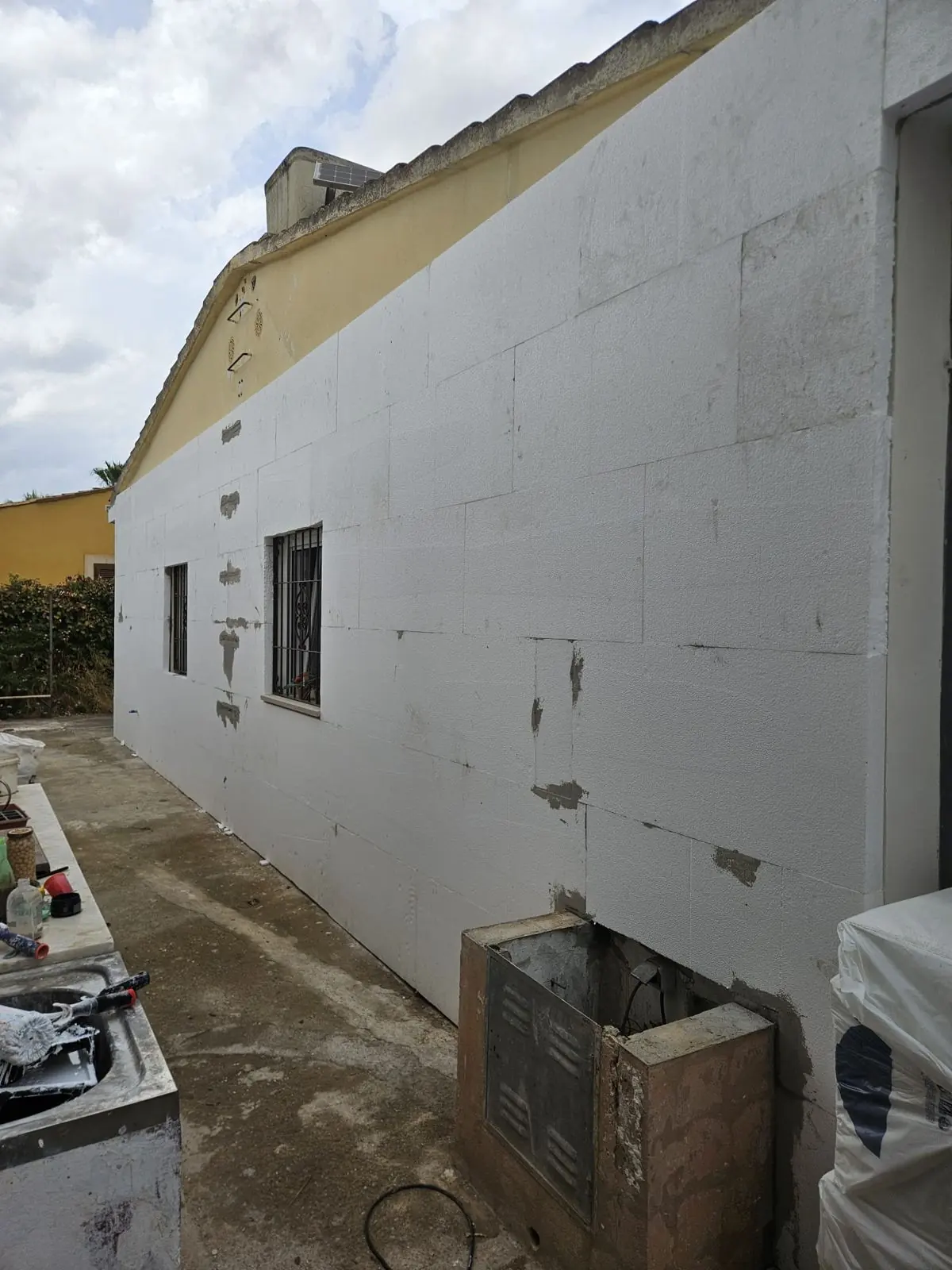
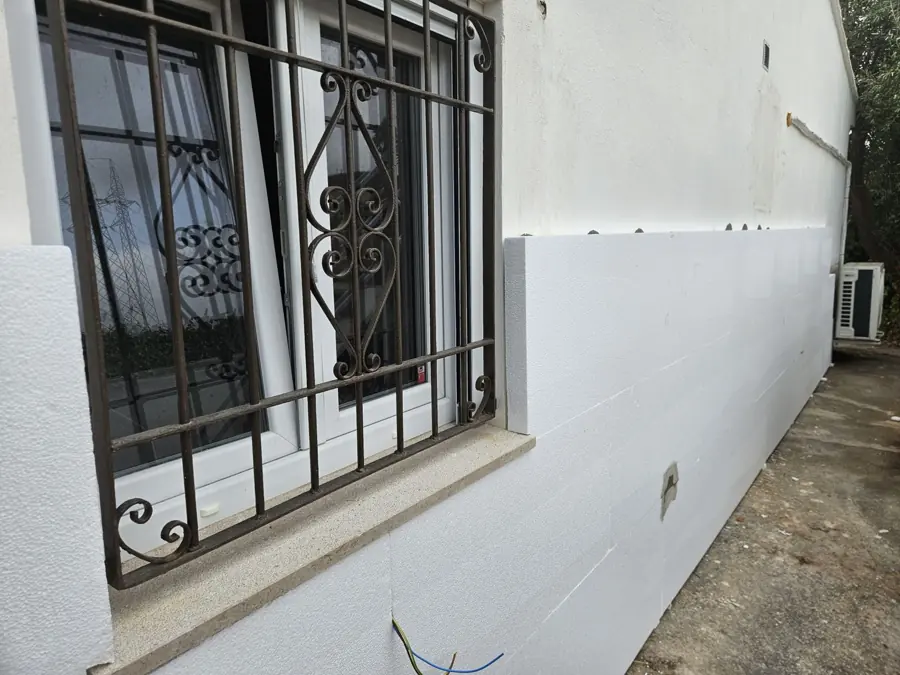
Status: the front façade and terrace of this house were finished earlier with SATE. The side and rear walls shown here are in progress; photos of the finished render will follow.
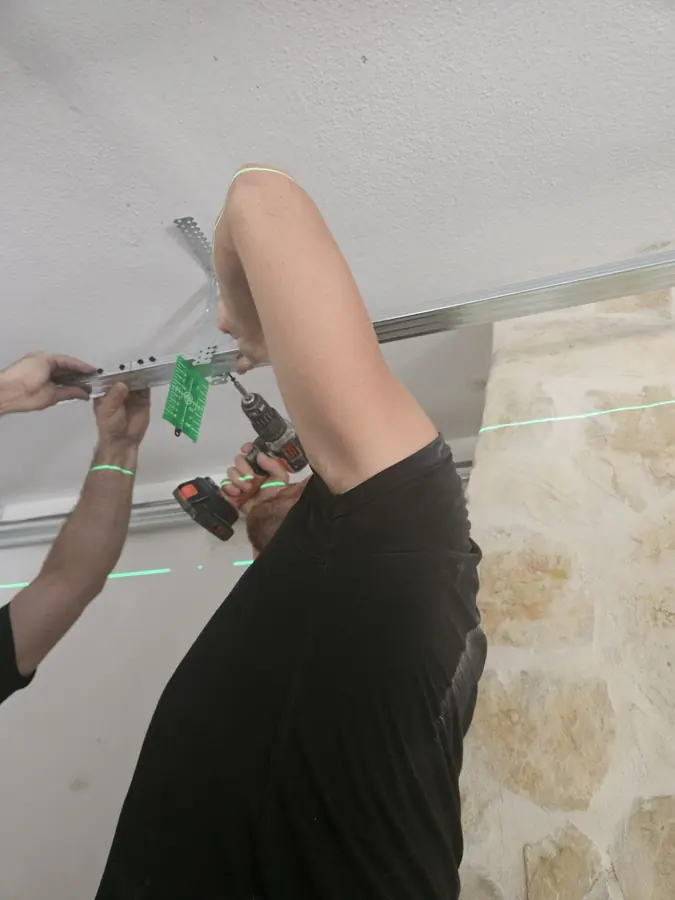
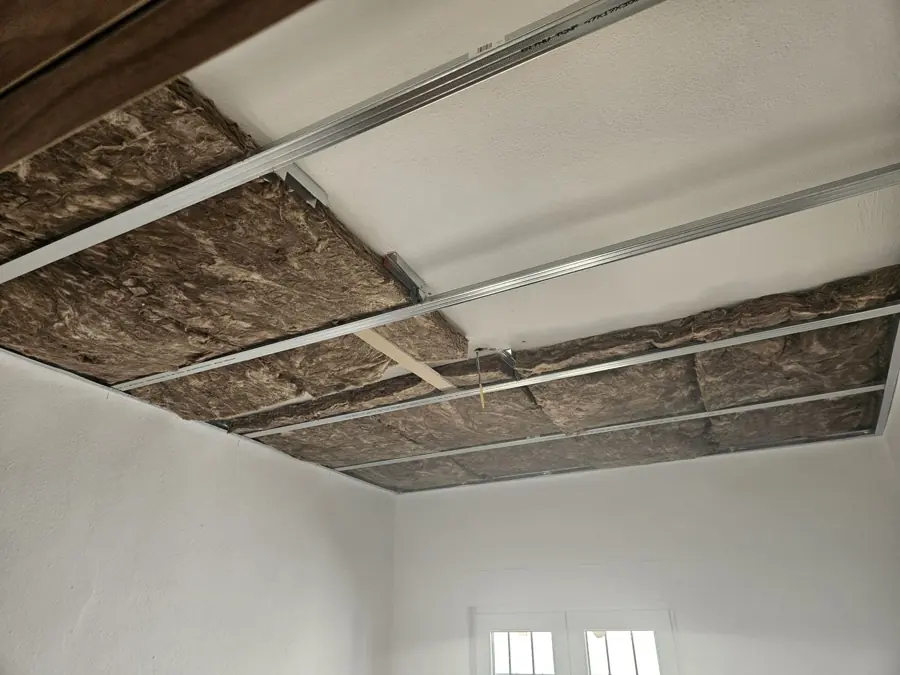
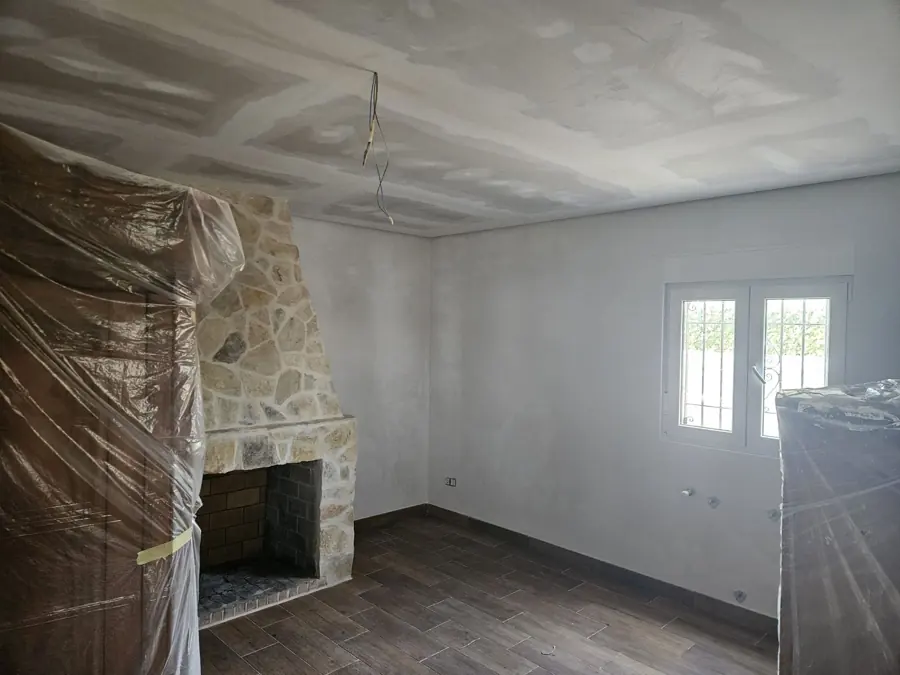
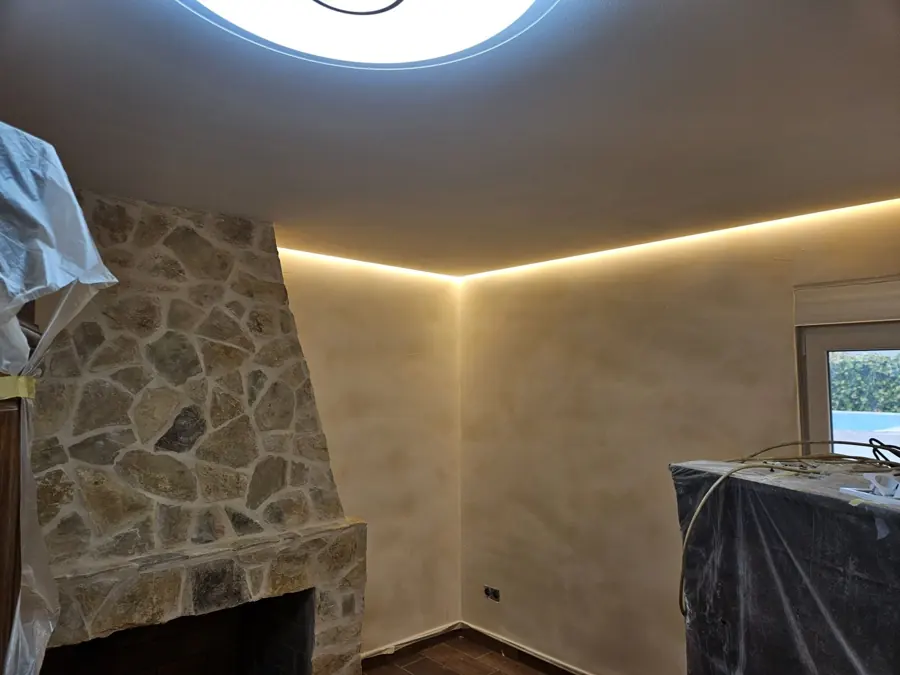
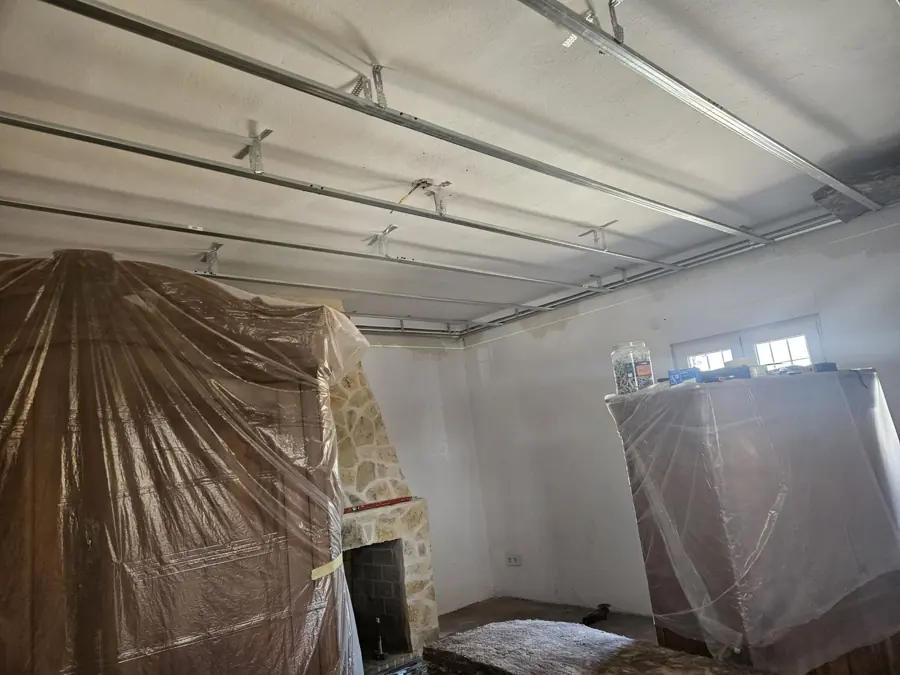
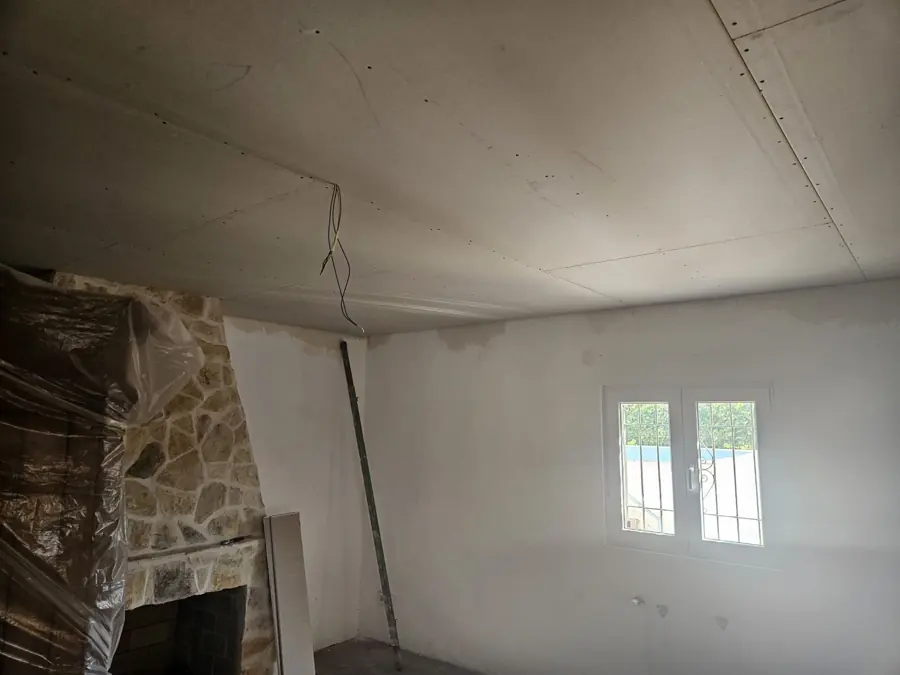
Because the ceilings were being renewed anyway, we insulated them at the same time. A metal frame was laser-levelled and fixed below the old ceiling, mineral wool was laid between the profiles, and the plasterboard was screwed, taped and finished.
In Mallorca the roof takes the full summer sun. Insulation directly above the room stops that heat from radiating down, and in winter it keeps the heating in the room instead of losing it through the roof.
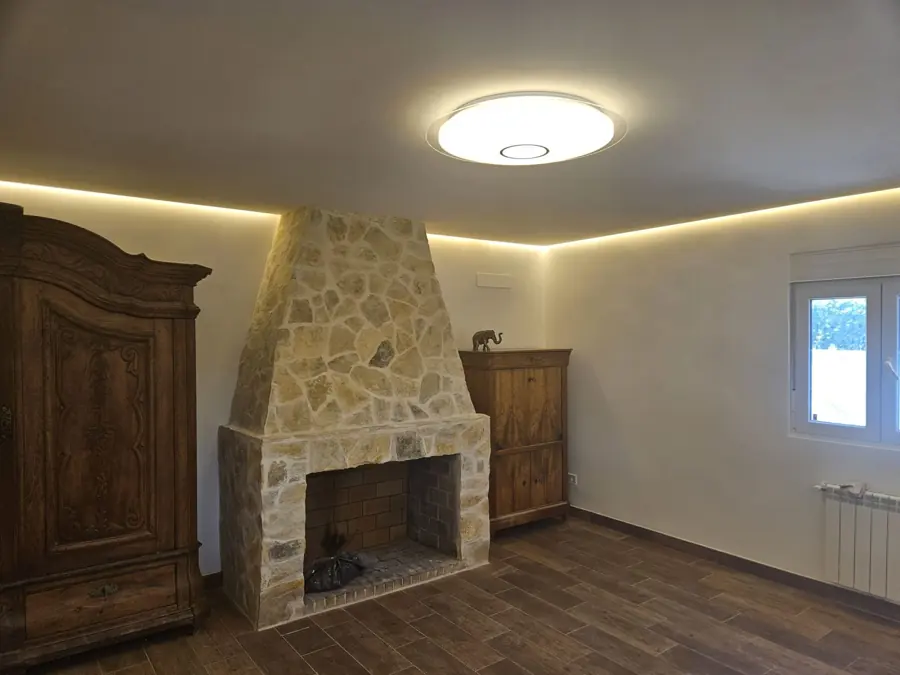
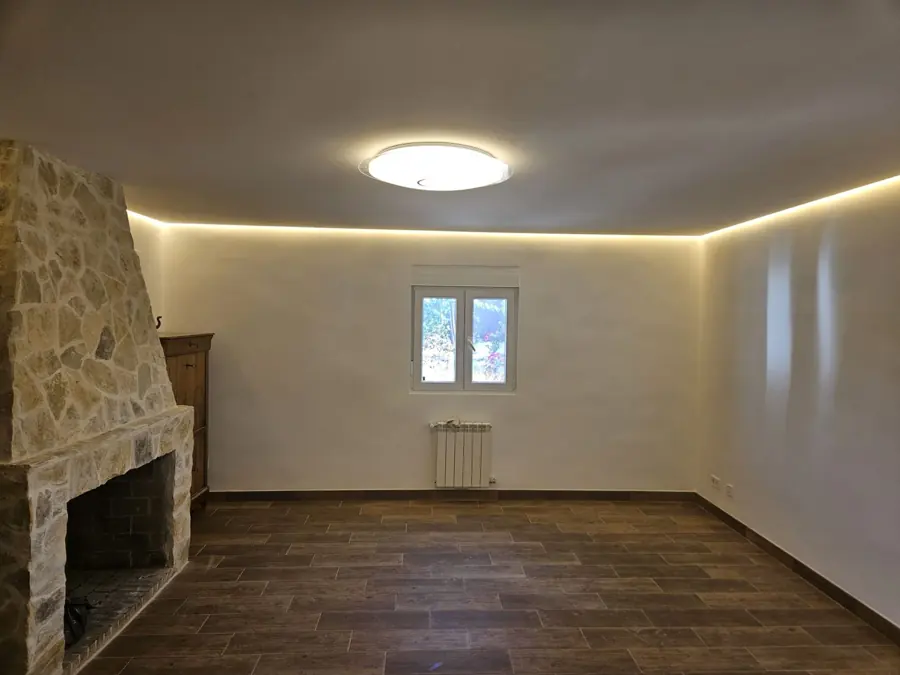
We also used the new ceiling to build indirect LED lighting into the ceiling along the walls. With the ceiling open anyway, all the wiring could be hidden neatly, and the room now has a modern, warm light that shows off the stone fireplace beautifully. A good example of how one renovation step delivers insulation, comfort and a better look at the same time.
We look at walls, roof, moisture and the current energy certificate, and tell you where insulation pays off most.
A clear scope per wall and ceiling, insulation type and thickness, finish, and a fixed quote, including the permit check with the town hall.
Our specialist teams install a certified SATE system and the ceiling insulation; we coordinate and check every phase.
Final render, a clean handover and, if you want, a new energy certificate that shows the improvement.
The EU is tightening energy requirements for homes. Read what has actually been decided, what has not, and how to prepare your house affordably.
Read the 2030 guideNo. SATE is applied to the outside of the wall, so your rooms keep their size. That is its main advantage over insulating on the inside.
Yes. Exterior wall insulation is done from outside. Ceilings are done room by room, with furniture and floors protected.
Exterior works usually need a permit or prior notification from the town hall, and in apartment buildings the approval of the community of owners. We check this before we start.
Yes, especially in single-storey houses and top-floor flats. The roof gets the most sun. If you are renewing the ceiling anyway, adding insulation costs relatively little.
That depends on wall area, insulation thickness, finish and access. National market guides put SATE at roughly 60–120 €/m² excluding VAT and scaffolding. After an inspection you receive a fixed quote from us.